
.png)
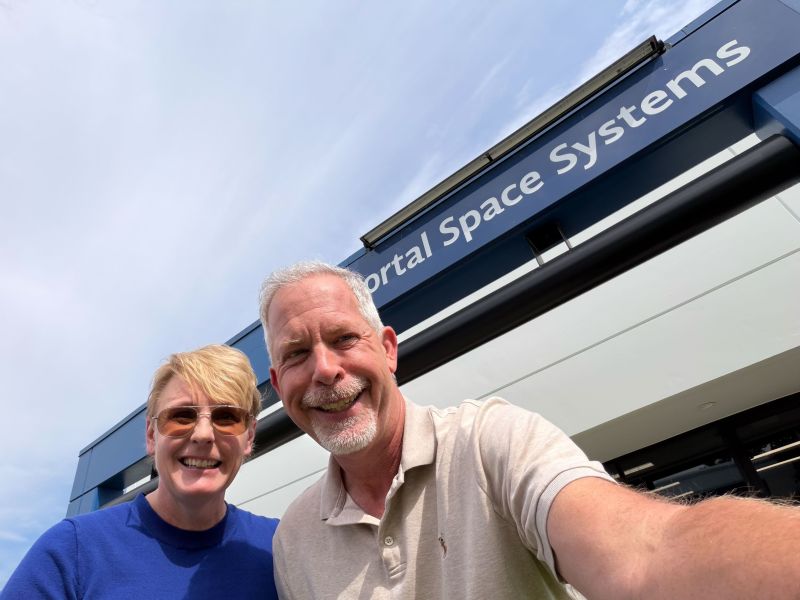
Rebel Space Technologies is partnering with Portal Space Systems, the Bothell, Washington-based developer of highly maneuverable spacecraft, to bring spectrum monitoring and electronic threat detection into orbit. The partnership, first reported by SpaceNews, extends the RF intelligence Rebel already delivers from its ground-based sensor network to spacecraft that can detect and characterize interference and electronic threats in the congested and contested space RF environment.
What is the Rebel Space and Portal Space Systems partnership?
Rebel and Portal are exploring several ways to give Portal vehicles onboard awareness of the RF environment. One option is a dedicated Rebel payload. Another is embedding Rebel's sensing and analysis technology more broadly across Portal's spacecraft, rather than treating it as a standalone payload. With any of the potential executions, the goal is the same: give operators real-time visibility into the signals around their spacecraft, help them tell ordinary interference apart from deliberate electronic threats, and give them the information they need to act.
Why do maneuverable spacecraft need electronic threat detection?
Most satellites spend their operational lives in a single orbit. Portal's spacecraft are designed to change orbits often and quickly. Each maneuver puts the vehicle in a new RF environment, with different neighbors, different signals, and different risks. As space becomes more crowded and contested, the threats of jamming, spoofing, interference, and electronic warfare are a rapidly growing concern for space system operators, including the United States and its allies. A spacecraft that can sense its own electromagnetic surroundings can tell whether a disruption is incidental or hostile, and it doesn't have to wait for someone on the ground to piece it together after the fact.
How does Rebel Space detect RF interference today?
Rebel operates a ground-based network of RF sensors, with sites across the United States and plans to expand rapidly into additional territories. The network continuously monitors satellite signals, while Rebel's AI-native platform detects anomalies, identifies and attributes the source of interference, and gives satellite operators the tools to respond. The partnership with Portal moves that sensing and analysis closer to the spacecraft itself, so a space-based view complements the ground network's picture of the RF environment.
What is Portal Space Systems' Starburst spacecraft?
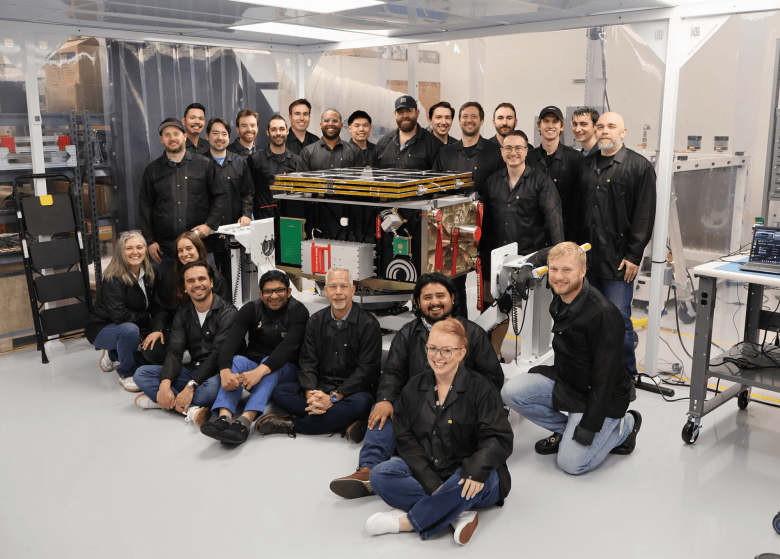
Starburst is Portal's roughly 300-kilogram maneuverable spacecraft. Its first flight is scheduled for October 2026 aboard SpaceX's Bandwagon-5 rideshare mission to a mid-inclination orbit. Portal was founded in 2021 by Jeff Thornburg and is also developing Supernova, a larger, ultra-mobile spacecraft built for defense, civil, and commercial missions that require rapid orbit changes.
Frequently asked questions
What does Rebel Space Technologies do?
Rebel Space is a Long Beach, California-based RF intelligence company that provides satellite operators visibility into their spectrum environment, helps identify and attribute interference, and enables them to take action.
Who is Portal Space Systems?
Portal is a Bothell, Washington-based startup that builds highly maneuverable spacecraft, including Starburst and Supernova, for missions that require orbital mobility.
What kinds of threats can spectrum monitoring detect in orbit?
Spectrum monitoring can detect RF interference, jamming, and other anomalous signals near a spacecraft. It can also help characterize whether a signal is unintentional or deliberate.
Where can I read the original SpaceNews coverage?
The full article, "Startups look to add electronic-threat detection to maneuverable spacecraft," is available on SpaceNews.
Want to learn more about bringing spectrum intelligence to your mission? Get in touch with the Rebel team.

